Solar Micro-Grids for Rural Settlements: Engineering Lessons from Kebri Dehar
A case study on deploying off-grid solar power systems in remote communities, covering technical challenges, community engagement, and long-term sustainability.
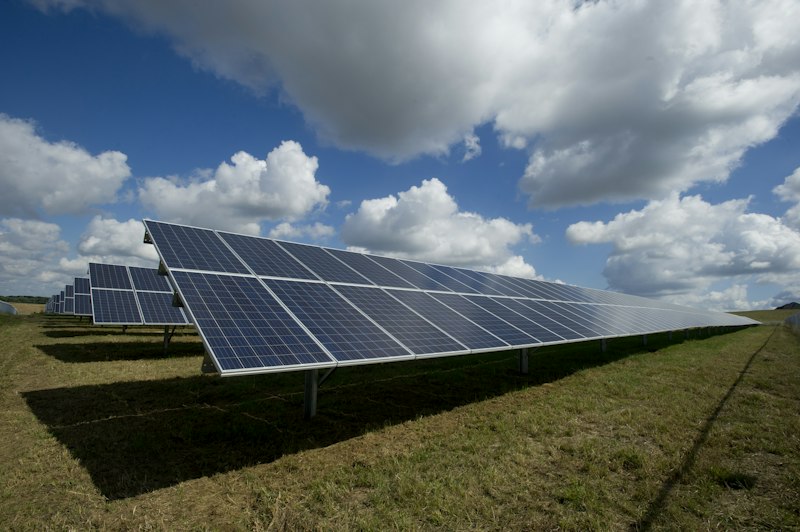
In 2023, a team of SEA-affiliated electrical engineers completed the installation of three solar micro-grid systems serving 450 households in the Kebri Dehar zone. This article documents the technical approach, challenges encountered, and performance data from the first year of operation.
System Design
Each micro-grid consists of a 25kWp solar array, 100kWh lithium iron phosphate (LFP) battery bank, and a smart distribution network serving 150 households. The systems were designed for a 20-year lifecycle with battery replacement at year 10.
Technical Specifications
- Solar panels: Monocrystalline 550W modules (45 per site)
- Inverters: Three-phase hybrid inverters with grid-forming capability
- Battery: LFP cells rated for 6,000 cycles at 80% DoD
- Distribution: Low-voltage (230V) network with prepaid smart meters
- Monitoring: Cellular-connected SCADA system with remote diagnostics
Challenges and Solutions
Dust accumulation: Panel soiling reduced output by 15-20% between cleaning cycles. We implemented a community-managed cleaning schedule (twice monthly) that brought losses down to 5-8%.
Load management: Peak evening demand exceeded design capacity. Implemented time-of-use pricing through smart meters, successfully shifting 30% of load to daytime hours.
Performance Results
After 12 months, the three sites have collectively generated 98 MWh of electricity, serving households that previously relied on kerosene lamps and diesel generators. Monthly energy costs per household dropped from an average of 180 ETB (diesel/kerosene) to 75 ETB (micro-grid tariff).